Introducing Silence
In the realm of PC building and maintenance, achieving a quiet computer is a hallmark of both productivity and enjoyment. Whether you’re deep into coding, creating digital art, or engaged in an intense gaming session, the hum of your PC shouldn't be a distraction. In this guide, we'll explore how to reduce PC noise, ensuring your machine operates as silently as it does powerfully.
Understanding the Sources of PC Noise
Before taming the beast, you need to understand where the noise originates. Common culprits include:
- Fans: As the primary cooling mechanism, fans can create a significant amount of noise, especially if they’re running at high speeds or are inadequately maintained.
- Hard Drives: Traditional Hard Disk Drives (HDDs) can produce clicking and whirring sounds during read/write operations.
- Power Supply Units (PSUs): Some PSUs have built-in fans that can contribute to overall system noise.
- Graphics Cards: High-performance graphics cards often come equipped with their own cooling solutions that can be noisy under load.
Hardware Solutions for Noise Reduction
Fan Selection
Choosing the right fan can drastically reduce noise levels. Look for fans with high static pressure and low decibels (dB). Premium brands such as Noctua and be quiet! offer a range of silent fans tailored for different use cases.
CPU Coolers
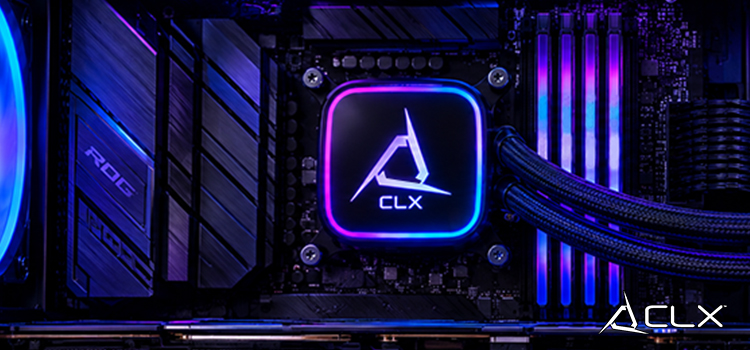
Upgrading to an aftermarket CPU cooler can make a world of difference. Liquid coolers, like those from Corsair or NZXT, generally run quieter than stock air coolers, and they provide superior cooling performance.
SSD Upgrades
Switching from an HDD to a Solid State Drive (SSD) eliminates the mechanical noises associated with traditional drives. SSDs not only enhance speed but also contribute to a quieter computing experience.
Software Solutions to Optimize Noise Levels
Fan Speed Control
Utilize software like SpeedFan or BIOS settings to optimize your fan speeds. Lowering the RPM (Revolutions Per Minute) can reduce noise significantly without compromising cooling efficiency.
Power Settings
Adjust your operating system’s power settings to balance performance and noise. For Windows users, the “Balanced” power plan can help minimize unnecessary fan use.
Identifying Noisy Programs
Some applications are more resource-intensive than others, leading to increased fan activity. Tools like Process Explorer can help identify and manage these programs.
Tips for Proper PC Maintenance
- Regular Cleaning: Dust accumulation can hinder fan performance and increase noise. Use compressed air to clean your PC’s internals regularly.
- Cable Management: Ensure that cables are neatly arranged to avoid obstructing airflow, which can cause fans to work harder and generate more noise.
- Component Tightening: Loose components can vibrate and produce noise. Periodically check and tighten screws and mounts.
Quiet conclusion
Achieving a quiet PC involves a combination of hardware upgrades, software tweaks, and regular maintenance. By addressing each of these areas, you can significantly reduce noise levels, resulting in a more enjoyable and productive computing experience.
About Us
CLXGaming is a PC builder based in Wichita, KS that builds prebuilt PCs, custom PCs and laptops for all of your gaming and creative needs. We work with any budget and offer flexible gaming PC financing.
If you would like more information about our PCs, please contact our customer support team at (855) 490-2569 or [email protected]. We pride ourselves on our excellent customer service and are happy to assist with your needs.